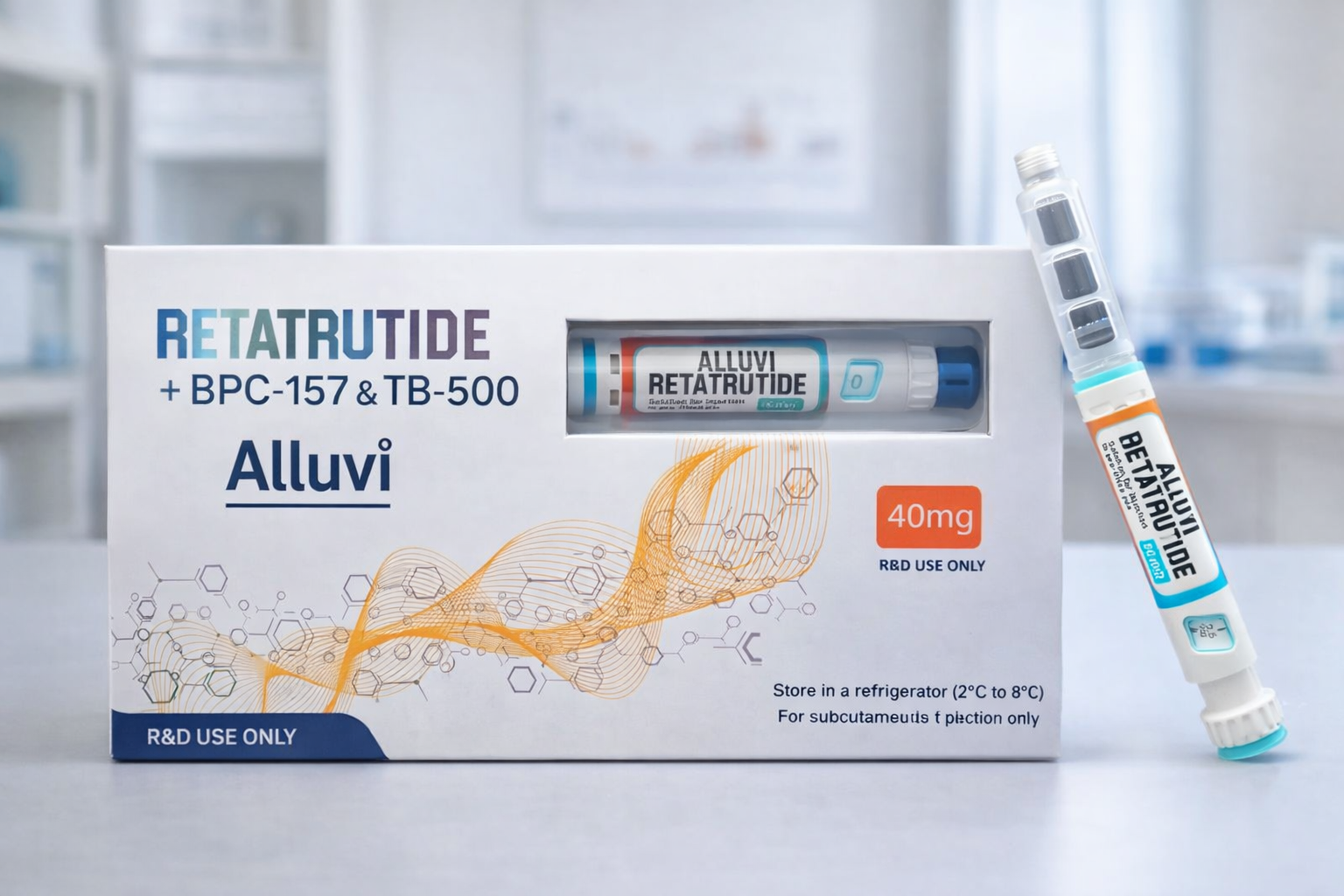
Retatrutide Elimination Kinetics and Absorbency
When monitoring how long does retatrutide take to work in simulated metabolic frameworks, researchers must analyze receptor binding speed. Retatrutide maintains a distinct terminal half-life of approximately 6 days in animal models due to its strategic hydrophobic lipid-conjugation structure. Initial receptor binding can be detected on laboratory assay panels within 12 hours of introduction.
Receptor Saturation Timelines
Peak saturation of GIP, GLP-1, and glucagon receptor complexes in cellular cultures is achieved within an initial 24-48 hour window after initial perfusion, establishing consistent steady-state pharmacological evaluation cycles.
Ensure laboratory media temperature is calibrated exactly to 37°C to simulate physiological absorption rates accurately. Higher or lower temperatures will drastically skew the receptor absorption timeline.
Factors Affecting Dissolution Stability
The rapidity and quality of peptide activation depends entirely on reconstitution variables. Lyophilized Retatrutide must dissolve naturally with room-temperature bacteriostatic fluid. Forced dissolving via high thermal elements will denature the active compound.
Do not freeze the compound after reconstitution as ice-crystal shear forces will damage the delicate protein structure of the GCG binder chain.